Showing posts with label BlueTooth. Show all posts

Saturday, December 3, 2022

Biomechanic prostheses and brain control microchips are the new combination.


When we think about biomechanic prostheses there are two ways to control them. The easier way is to make a system that uses BlueTooth as the communication tool. In that case, the signals that are coming from brain-controlled BlueTooth devices normally remote control the prosthesis. And then another way to make the prosthesis is that the biomechanic system uses the impulses that come from the nerves of that wounded hand or leg. 


There are two main types of biomechanic or bionic prostheses. 


*The prosthesis is the external machine that connects to the user's body. The system can be a little bit like the HULC (The Human Universal Load Carrier) exoskeleton. And the Neuralink-type microchips can also control that kind of system. 


*Another version of that kind of system is the system that gives simulated neural impulses to the muscles. These systems are BCI-controlled electrodes that can give muscular stimulation from the outside. Those electrodes can be used by BlueTooth connection. 


The BlueTooth-based microelectronic systems can control things like mobile telephones or computers. And only the imagination is limited in those systems. The Bluetooth-based microchips can use to control jet fighters or computers that allow them to control things like drone swarms, and robots. Or any other devices through the internet. That kind of system can control things like robot assistants that are acting as external bodies for those operators. 

The communication between the device and the user can make by using external or synthetic reality. Or the system can use cortex stimulation that turns the external body into part of the nervous system. 


The "Neuralink" will revolutionize biomechanical prostheses. But it can also make many other things that have been impossible before into reality. The "Neuralink" is a surgically implanted microchip. That is Elon Musk-owned company. This kind of microchip can make it possible to control the biomechanic prosthesis. But the user of that kind of system can use things like mobile telephones by using this kind of microchip. The brain-implanted microchip can communicate with other devices by using BlueTooth communication. 

So "Neuralink" is one version of the BCI (BRain-Computer Interfaces). There is no limit to using that kind of microchip. The ability to connect things like computers and mobile telephones makes it possible. The Neuralink-system's users can connect their brains to the Internet whenever they want. 


https://bleex.me.berkeley.edu/project/hulc/


https://www.news.com.au/technology/innovation/inventions/elon-musk-says-neuralink-is-ready-for-use-in-humans/news-story/27846d5228410829acc356f66dbda3a7


https://scitechdaily.com/a-new-dawn-for-prosthetics-engineers-light-the-way-to-nerve-operated-prosthetics-of-the-future/


https://designandinnovationtales.blogspot.com/

Saturday, November 26, 2022

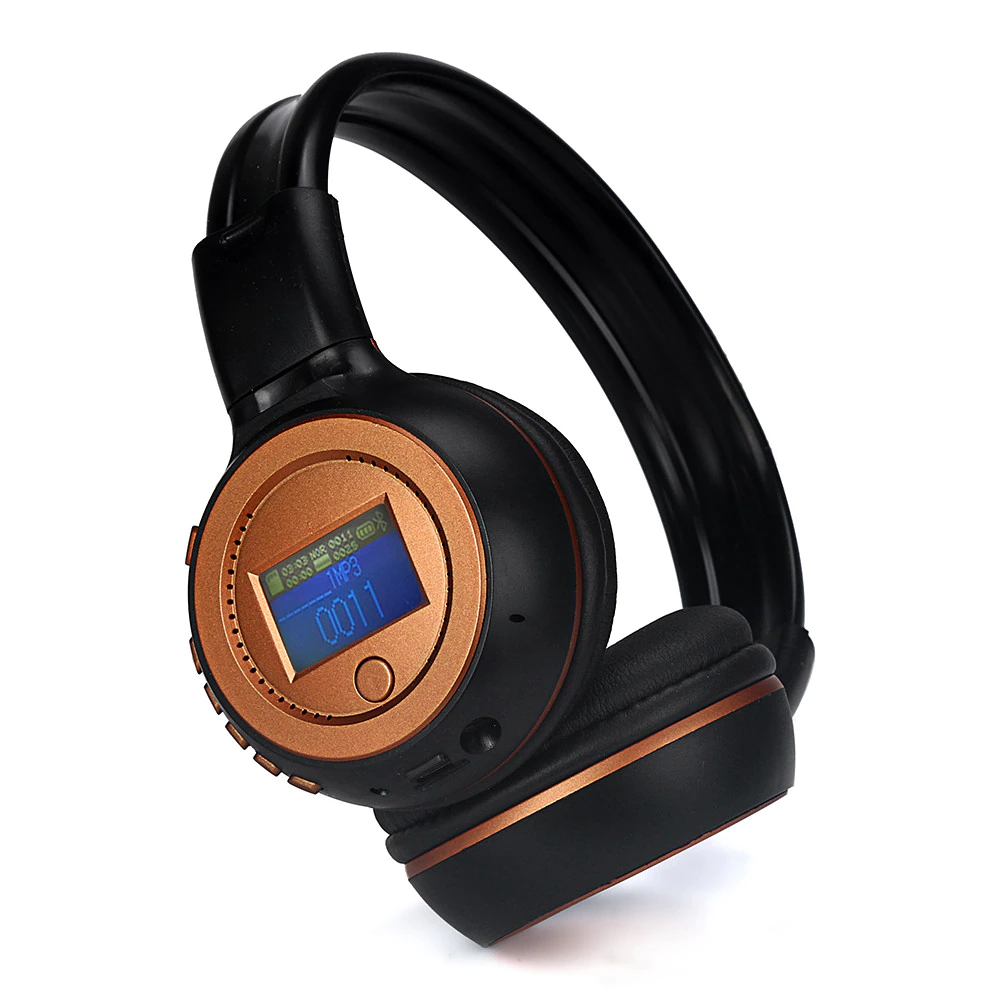
The Bluetooth headsets are multi-use tools.


Do you know that the Bluetooth headset can use as an eavesdropping tool? In that case, the eavesdropper must only put the Bluetooth headset where the microphone is in the room. And then connect their laptop or mobile telephone to that headset. The requirement is that the blue tooth is in the range of that tool. 

The fact is that operators can use Bluetooth devices through the walls. Sometimes computers are accidentally connected to the wrong printers. And that caused embarrassing situations. If the attacker leaves the headband headset connected to the mobile telephone in the room. That thing makes it possible to record everything that happens in that room. 

And that kind of headset is one of the remarkable risks to privacy. There is a possibility. By hacking the Bluetooth headset. The hacker can target psychological warfare like subliminal commands to the victim. But even if that thing is not possible hacking the Bluetooth set can cause a situation where hackers hear everything that participants talked about in the meetings. 


Above: Modern AR (Artificial Reality) headset.


The next-generation headsets are using mixed reality. And that thing makes those systems even more effective than before. 

There are headsets where are small action cameras. They can connect to mobile devices or laptops. And that allows them to share experiences on social media. But those systems can also connect with military systems. Infrared cameras make it possible to see in the dark. The information that the camera sends can project into HUD glasses. Or in more primitive models to the screens of mobile telephones. 

In laboratories are also developed headsets equipped with laser microphones. Those systems can use as eavesdropping tools. The laser microphones can eavesdrop on everything that is talked behind closed windows. That kind of system can use as a super-tools for hearing things that not wanted to share with everybody. 

The laser system can also point the enemy tanks and other targets in the military world. So the operator must only look at the target and then use a gesture or button to mark it for the systems. The gesture can be that the person just shows the middle finger or some other mark to the same camera. 

The system can see the fingerprint and then mark the target's position.  The requirement for that system's successful work is that the system recognizes the mark. The system can use the GPS-connected rangefinder and radio compass to locate the target. . And then the image of the target will send to the entire system. Then the snipers or drones etc. can take the target out. 


https://designandinnovationtales.blogspot.com/
Saturday, October 5, 2019

When eyes would be replaced with cameras

When eyes would be replaced with cameras

If we wish to make a camera, which is connected to human brains, we don't need to make many complicated surgeries. The idea is that the neural impulse would be taken to the sight center of the human brains by using an external device. The system contains the electrodes, which would stimulate the brain core in the point, where the sight centers are. And this kind of system can installed on the helmets, what might look like devices, what bicyclists use every day.

But of course, we could implant microchips into the skull. That means that those microchips, what helps a person to get the more clear vision of the things, what are around that individual. Those microchips can use similar electric technology, which is used in pacemakers. If we would not want to use plutonium batteries, we could create a system, which is similar to the wireless loaders of the mobile telephones.

That wireless loading system might be the same, which is used with mobile telephones, and the user can simply put it under the cushion. But in some imaginational versions of those systems, they could take electricity from the nervous system, and that means those microchips can be extremely small. But let's think about the problems of those microchips.

When we are thinking about the microchip, what mission is to give impulses to the vision center of the human brains we must realize that this system would operate by using BlueTooth, what means that the user can use normal action cameras with those devices. And the problem is if the person would work in the high-power magnetic field.

The thing, that solves that problem is the helmet, or "folio hat", which makes the faraday cage around that system, and the thing is that in those kinds of cases those persons must only put the cap on their head, where is the electrode in the right points. In that case, the data transmission would be done by using the device, which is installed on that hat.

If we are thinking about the systems like microchips, what is controlled by using brain waves, we must realize that we would install the electrodes of the entire EEG-system fixed on the skull, and that system can simply be connected to a portable device. Those devices could be mobile telephones, what have modified programs, what mission is to operate as the decoders, what transfer the electric actions of the brain core to the movement of robots. And they can be connected to thigs like exoskeletons, what mission is to give the paralyzed person able to move.

But those systems can also move the single prosthesis. That kind of prosthesis can just put in the place and remove like some kind of sleeve. And they would transmit the senses what are created by piezoelectric crystals or some other type of pressure and heat sensors wirelessly to the brain core.

In those cases person who would use "auxiliary hand" must not be handicapped. In many cases, people like technicians feel that they should have the third arm. And in this case, the helmet based system can communicate with that extra arm, where can be the sense of touch, but that thing might have also the extra camera, what mission is to be the extra eye to the user of that system.

Computer researchers published a new algorithm that revolutionizes web management.

The new database structures require new and powerful tools to manage databases in non-centralized solutions. The new data structures can be ...